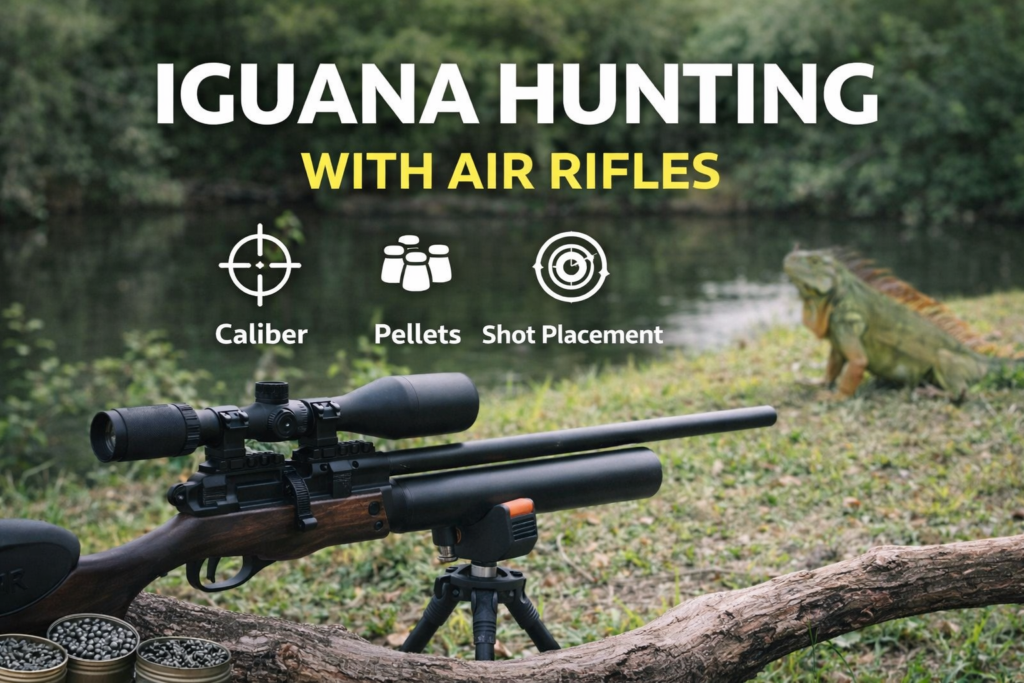
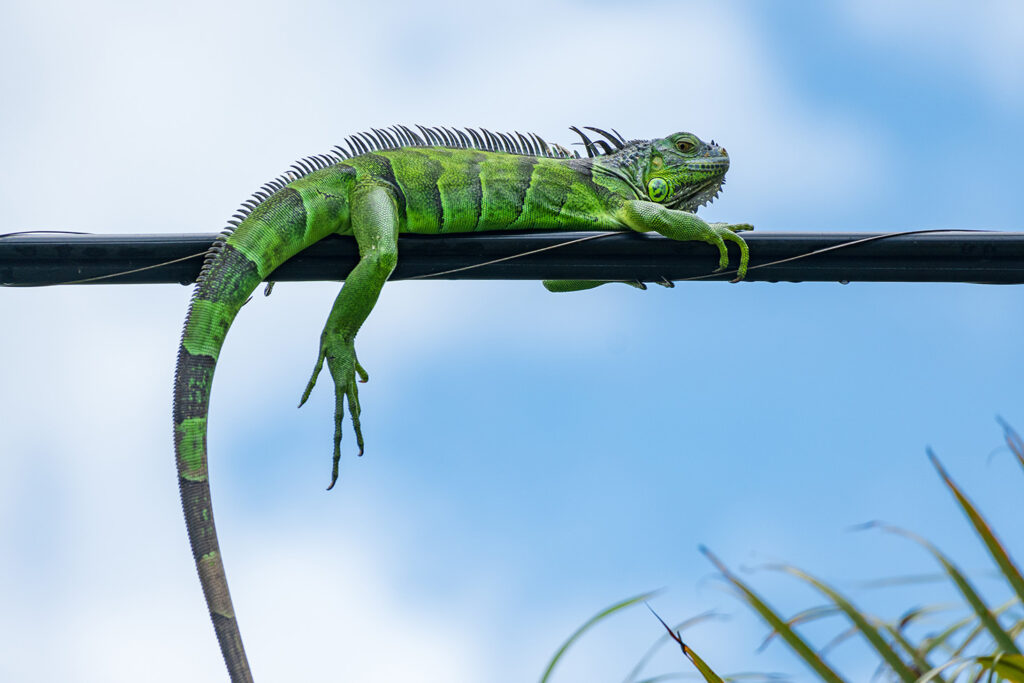
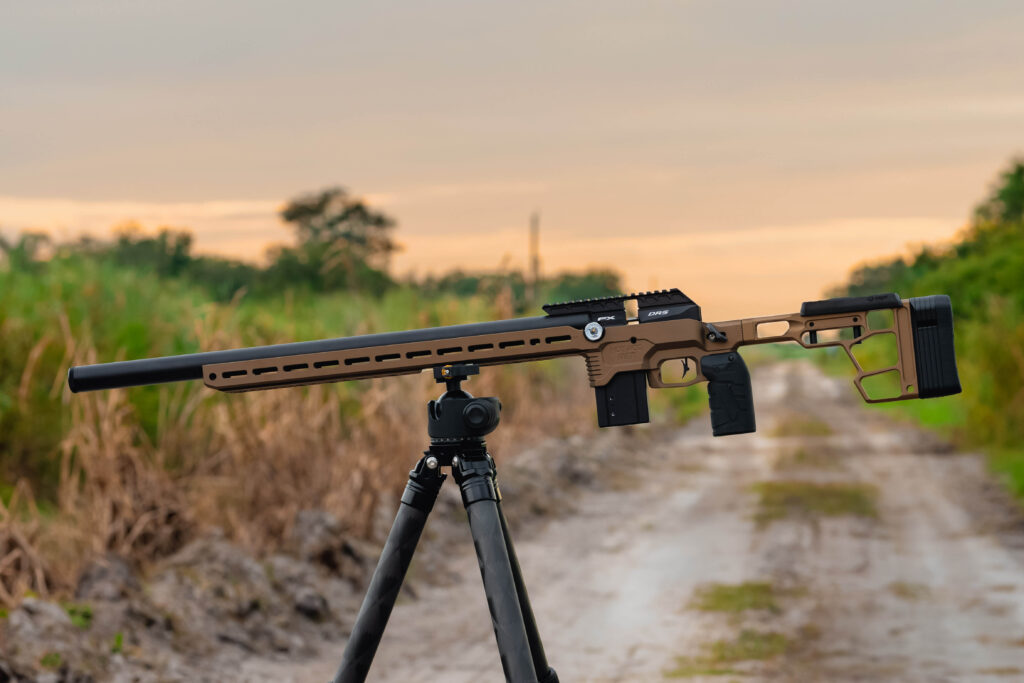
IIguana hunting has become increasingly popular, especially in areas where these invasive reptiles impact local ecosystems.
Using air rifles for iguana hunting offers a quiet, effective, and precise solution—but success depends on understanding the fundamentals.
To get consistent results, you need to combine:
👉 The right rifle
👉 The right caliber
👉 The right pellets
👉 Proper shot placement
This guide brings everything together so you can approach iguana hunting with confidence.
In many regions, iguanas have become more than just a nuisance—they can cause significant damage to landscaping, seawalls, and property structures. Because of this, effective and responsible iguana hunting has become an important part of managing their population. Air rifles have gained popularity in this space because they provide a balance of precision and reduced noise, making them ideal for use in residential or semi-urban environments.
One of the key advantages of iguana hunting with air rifles is control. Unlike louder alternatives, air rifles allow for more discreet operation, which is especially important in populated areas. This makes them a practical choice for both beginners and experienced shooters looking to manage iguanas safely and effectively.
However, simply having an air rifle is not enough. Many people underestimate how much technique and setup influence results. Successful iguana hunting requires a system where every component works together. From the rifle and caliber to pellet selection and shooting technique, each element plays a role in achieving consistent outcomes.
Another important factor is adaptability. Iguana hunting conditions can vary widely depending on location, weather, and terrain. You may encounter iguanas in trees, on the ground, or near water, each scenario requiring a slightly different approach. Being able to adjust your positioning, distance, and timing is just as important as having the right equipment.
Choosing the Right Equipment for Iguana Hunting
Your setup is the foundation of successful iguana hunting.
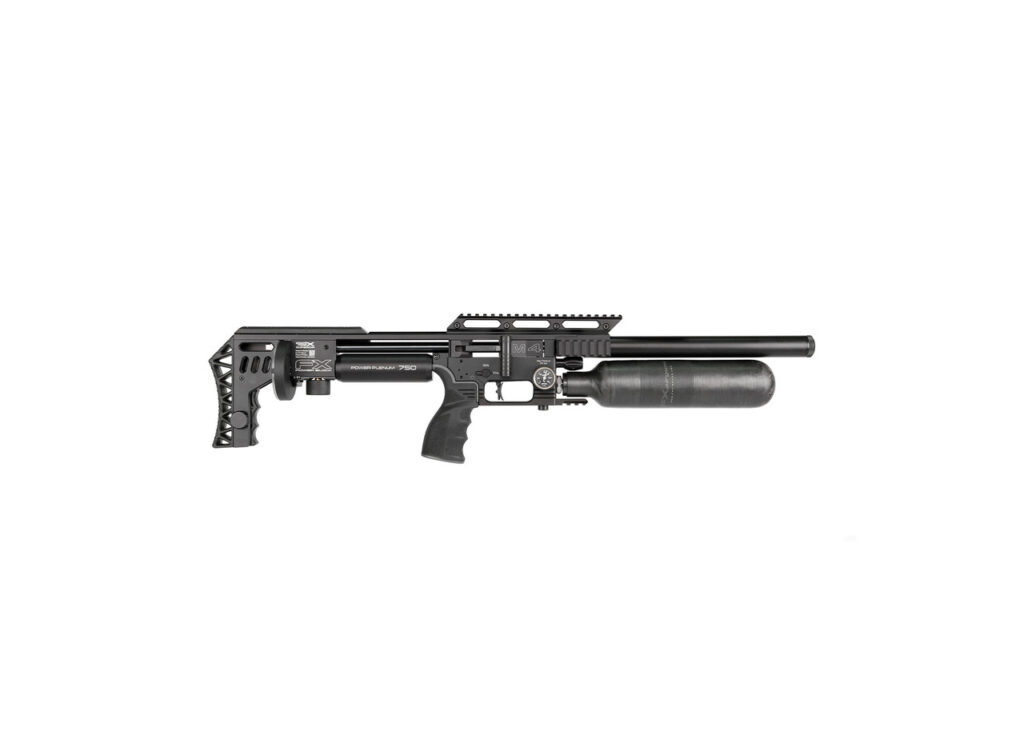
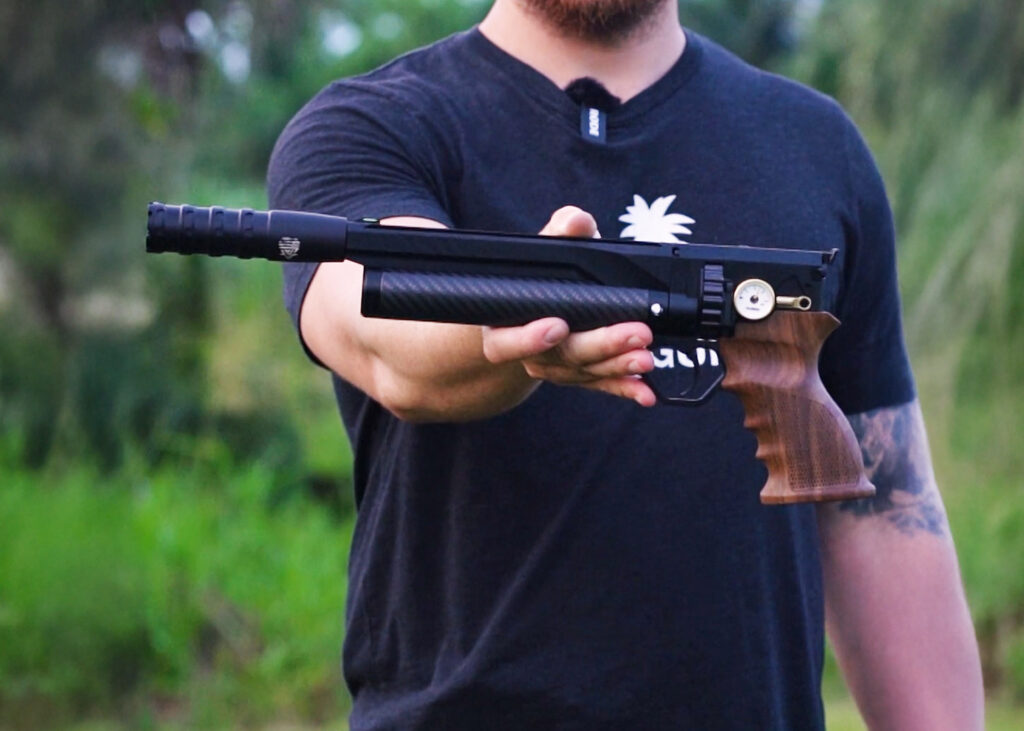
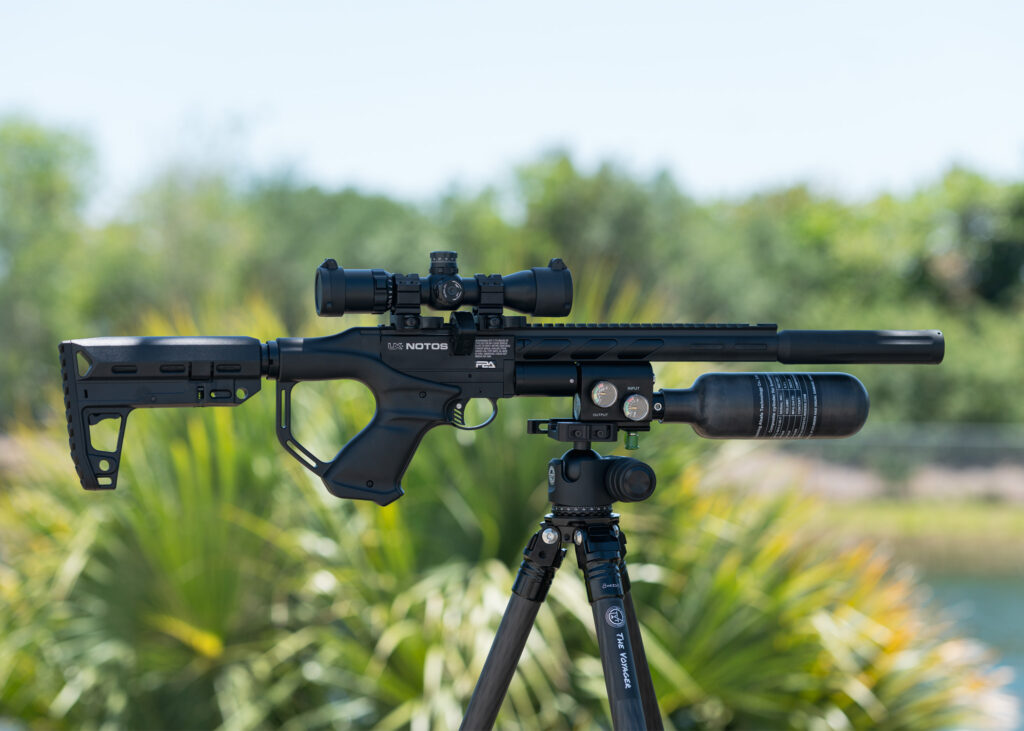
Not all air rifles are created equal, and selecting the right one will determine your accuracy, consistency, and effectiveness in real-world conditions.
When evaluating your options, it’s important to consider factors such as power, accuracy, and ease of use. A rifle that is too powerful without proper control can reduce accuracy, while a rifle that lacks sufficient energy may not deliver reliable results. Finding the right balance is key to building an effective setup.
Consistency is another major factor. High-quality air rifles are designed to deliver repeatable performance, which is essential when aiming at small target areas. This consistency allows you to build confidence and improve over time, making your iguana hunting efforts more efficient.
If you’re still deciding on your setup, explore our complete guide to the best air rifle for iguanas to understand which options provide the best performance across different experience levels and budgets.
Ultimately, the goal is to build a setup that feels natural and reliable. When your equipment supports your shooting style, it becomes much easier to focus on the fundamentals that truly matter in iguana hunting.
Caliber: The Foundation of Iguana Hunting
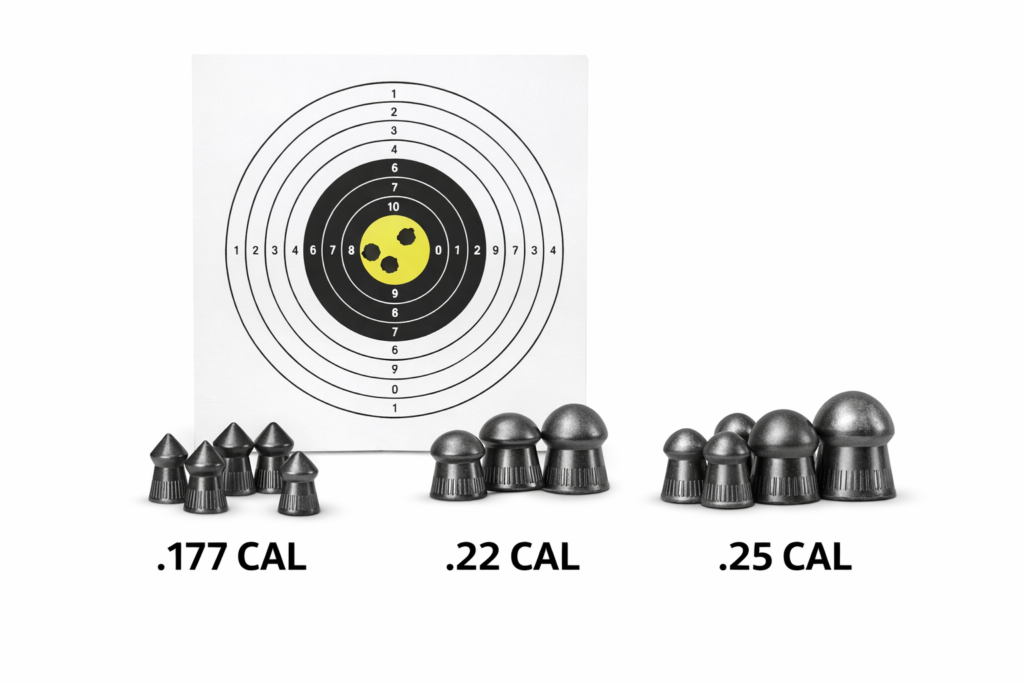
Choosing the correct caliber is one of the most important decisions in hunting.
Understanding how caliber affects penetration and accuracy is essential when selecting your setup.
or most users:
.22 caliber = best overall
It offers the ideal balance between power and accuracy, making it the most reliable option for consistent results.
Pellet Selection: Small Detail, Big Impact
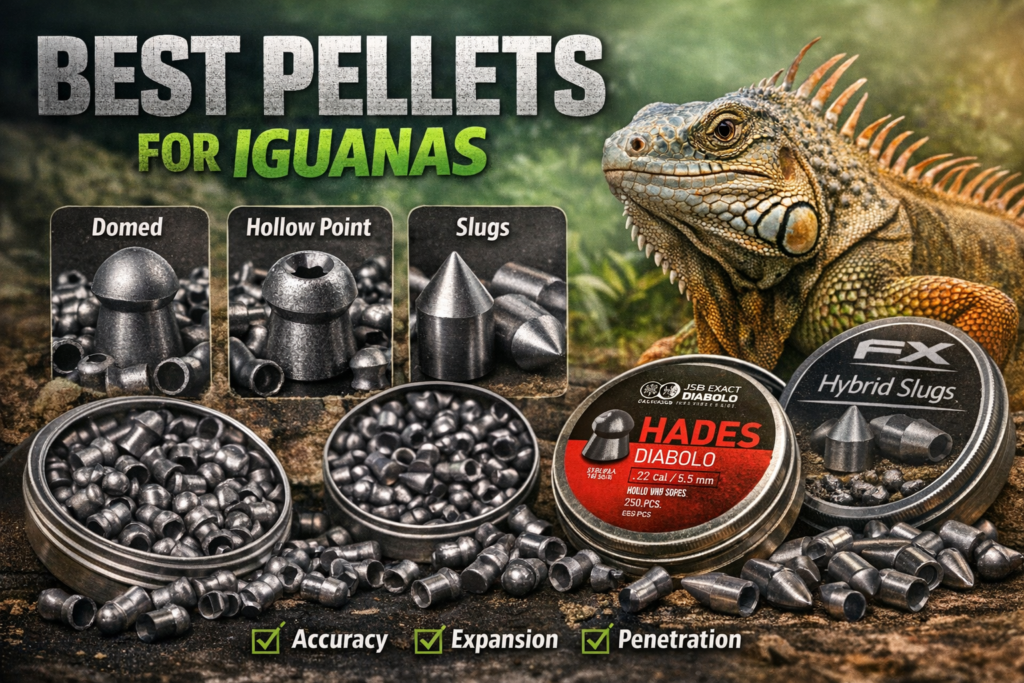
Pellet choice plays a major role in iguana hunting performance.
The right pellet improves:
- Accuracy
- Consistency
- Energy transfer
Different pellet types perform differently depending on distance and rifle setup, so testing a few options is always recommended.
For most setups:
Domed pellets = best overall
Shot Placement: The Key to Success
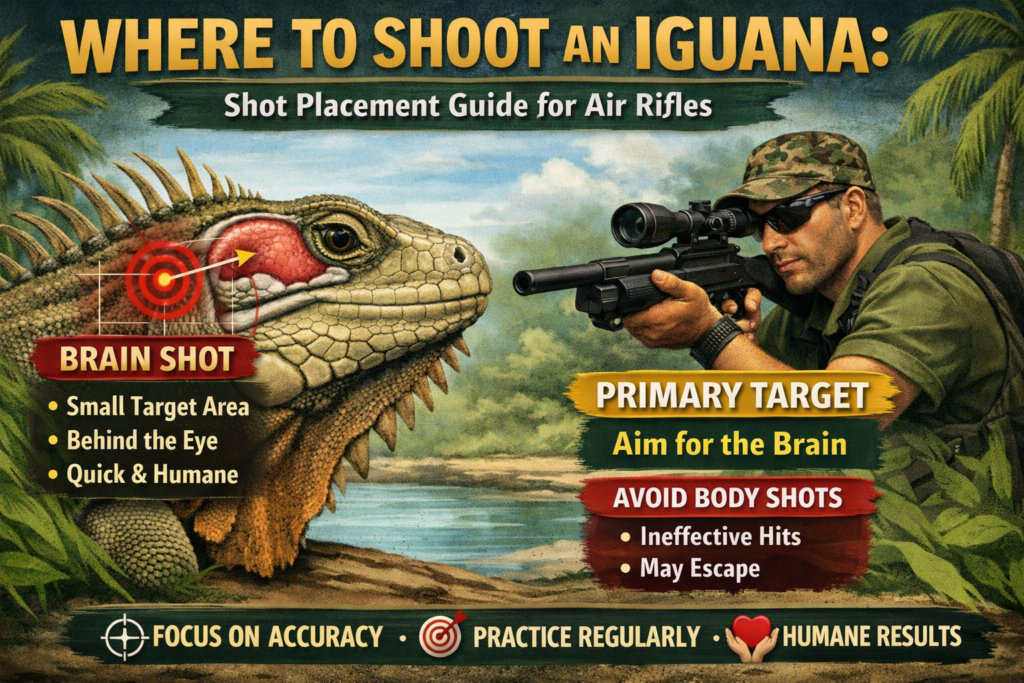
No matter how good your equipment is, success in iguana hunting comes down to shot placement.
Knowing exactly where to shoot an iguana is critical for achieving effective and humane results.
The most effective target:
Brain (headshot)
This ensures:
- Immediate results
- Humane outcome
- Prevents escape
If you’re building your complete setup, combining the right rifle, caliber, and pellets will give you the best results. Each component plays a role in achieving consistent performance in real-world scenarios.
Best Conditions for Iguana Hunting
To improve success in iguana hunting, consider:
- Shooting distance (20–40 yards ideal)
- Stable shooting position
- Clear line of sight
- Minimal wind conditions
Patience and positioning often matter more than equipment.
In real-world scenarios, environmental conditions can significantly impact your results. Wind, for example, can alter pellet trajectory—especially at longer distances—making even small targets harder to hit. This is why calmer conditions are always preferred when planning your approach.
Lighting also plays an important role. Early morning or late afternoon often provides better visibility, allowing you to clearly identify your target and improve accuracy. Iguanas are also more likely to be stationary during these times, which increases your chances of taking a precise shot.
Another key factor is positioning. Elevation and angle can influence both your line of sight and your ability to maintain stability. Shooting from a supported position—such as using a rest, tripod, or stable surface—can dramatically improve consistency. These small adjustments can make a big difference in overall hunting success.
Common Mistakes in Iguana Hunting
1. Focusing Only on Power
Power without accuracy leads to poor results.
Many shooters assume that more power will automatically solve their problems, but without proper control and precision, increased power can actually reduce effectiveness.
2. Ignoring Shot Placement
This is the #1 mistake.
Even the best equipment won’t compensate for poor shot placement. Understanding where to aim is critical for consistent and humane results.
3. Using the Wrong Pellets
Inconsistent pellets reduce accuracy.
Using low-quality or mismatched pellets can lead to unpredictable results. Testing different options is essential for optimizing performance.
4. Not Practicing
Skill matters as much as equipment.
Regular practice helps build consistency, confidence, and better decision-making in real-world situations. The more familiar you are with your setup, the more effective your shots will be.
Legal & Ethical Considerations
Before engaging in iguana hunting, always:
- Check local laws
- Follow regulations
- Ensure humane practices
Responsible practices not only ensure compliance with local regulations but also promote ethical and effective outcomes. Understanding the rules in your area will help you avoid issues and ensure that your approach to iguana hunting is both safe and appropriate.
For official regulations and humane practices, review guidelines from the Florida Fish and Wildlife Conservation Commission.
Final Thoughts on Iguana Hunting
Successful iguana hunting comes down to mastering the fundamentals.
To summarize:
👉 Right rifle
👉 Right caliber
👉 Right pellets
👉 Proper shot placement
When all these elements work together, your results become more consistent and effective.
If you’re serious about improving your setup, start by optimizing each component and building a system that works together.Is iguana hunting legal?
It depends on your location. Always check local regulations before hunting.
What is the best caliber for iguana hunting?
.22 caliber is the most recommended for most users.
What pellets are best for iguana hunting?
Domed pellets like JSB Exact are the most consistent choice.
Where should you aim when iguana hunting?
The brain (headshot) is the most effective target.
What distance is best for iguana hunting?
20–40 yards is the ideal range for most shooters.