If you’re new to pre-charged pneumatic airguns, one of the first questions you may have is: how does a PCP air rifle work?
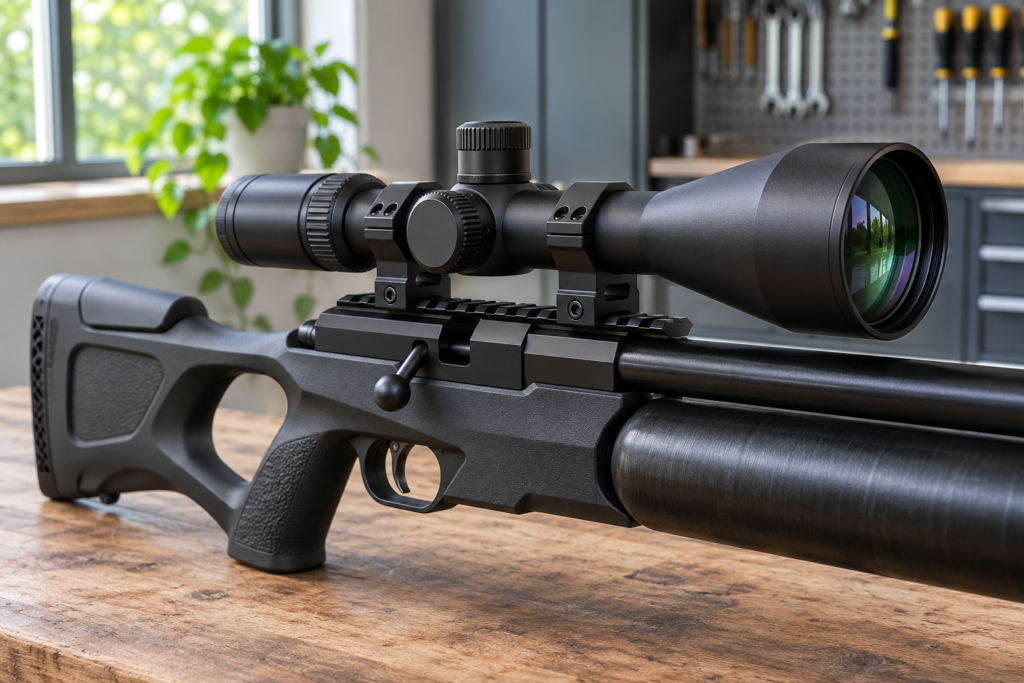
At first glance, a PCP air rifle can look similar to any other modern air rifle. The major difference is hidden inside the air reservoir and firing system.
Instead of using a spring, gas piston, or CO2 cartridge to generate power for every shot, a PCP rifle stores highly compressed air before you begin shooting. Each time the trigger is pulled, the rifle releases a small, controlled amount of that compressed air to propel the pellet or slug through the barrel.
That basic system gives PCP rifles several important advantages, including very low recoil, repeatable power, multi-shot capability, and impressive accuracy.
In this guide, we’ll break down how a PCP air rifle works, what each part of the system does, and why PCP technology has become so popular with modern airgun shooters.
For a broader overview of calibers, filling systems, power levels, and buying considerations, see our PCP Air Rifle Guide.
What Does PCP Mean in an Air Rifle?
PCP stands for pre-charged pneumatic.
The term “pre-charged” simply means that the rifle’s air reservoir is filled with compressed air before shooting.
Once the reservoir is charged, the rifle stores enough air to fire multiple shots.
This is very different from a break-barrel rifle.
With a traditional spring-powered rifle, the shooter must cock the rifle before every shot. Cocking compresses a spring or gas ram, which then releases energy when the trigger is pulled.
With a PCP rifle, that energy is already stored as compressed air.
So when asking how does a PCP air rifle work, the easiest way to think about it is this:
Fill the rifle with compressed air → load the pellet → pull the trigger → release a small amount of air → fire the projectile.
The remaining compressed air stays inside the reservoir for the next shot.
The Main Parts of a PCP Air Rifle System
To really understand how a PCP air rifle works, it helps to understand the major components involved.
Most PCP rifles use some variation of the following system:
- High-pressure air reservoir
- Fill port
- Pressure gauge
- Valve
- Hammer
- Regulator on many models
- Barrel
- Magazine or loading system
- Trigger mechanism
Each component plays a specific role in controlling how air moves through the rifle.
The Air Reservoir
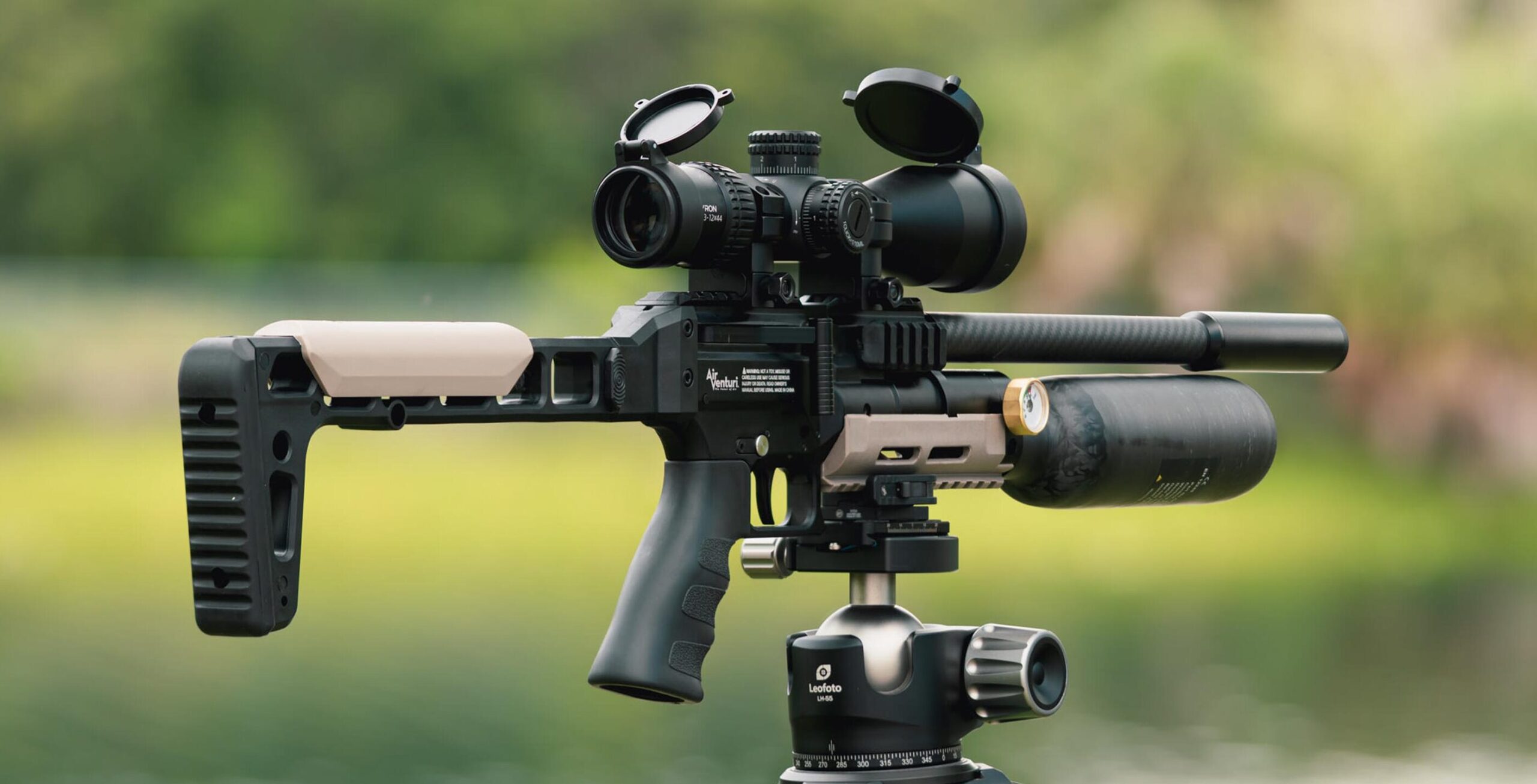
The air reservoir is where the rifle stores compressed air.
Depending on the rifle, this may look like a metal tube under the barrel or a larger removable bottle.
The reservoir is filled to a specific pressure determined by the manufacturer.
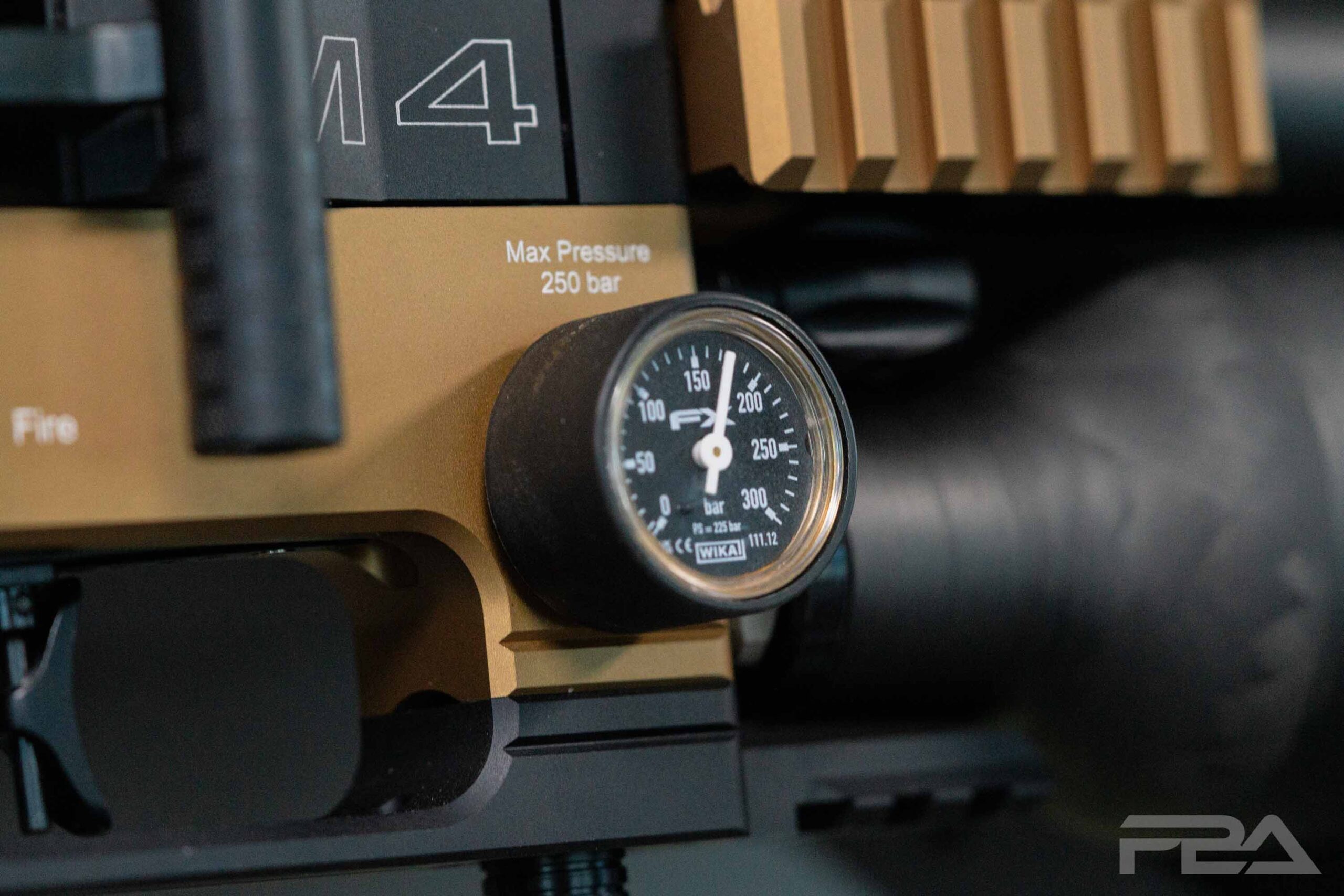
Many PCP air rifles use fill pressures somewhere around 3,600 PSI, although some modern platforms are designed for substantially higher pressures.
The important rule is simple:
Never exceed the manufacturer’s maximum fill pressure.
Higher pressure does not automatically mean better performance.
The rifle is designed to operate within a specific pressure range, and exceeding that limit can damage equipment or create a serious safety risk.
How Is a PCP Air Rifle Filled?
Before understanding the firing cycle, you first need to understand how the compressed air gets into the rifle.
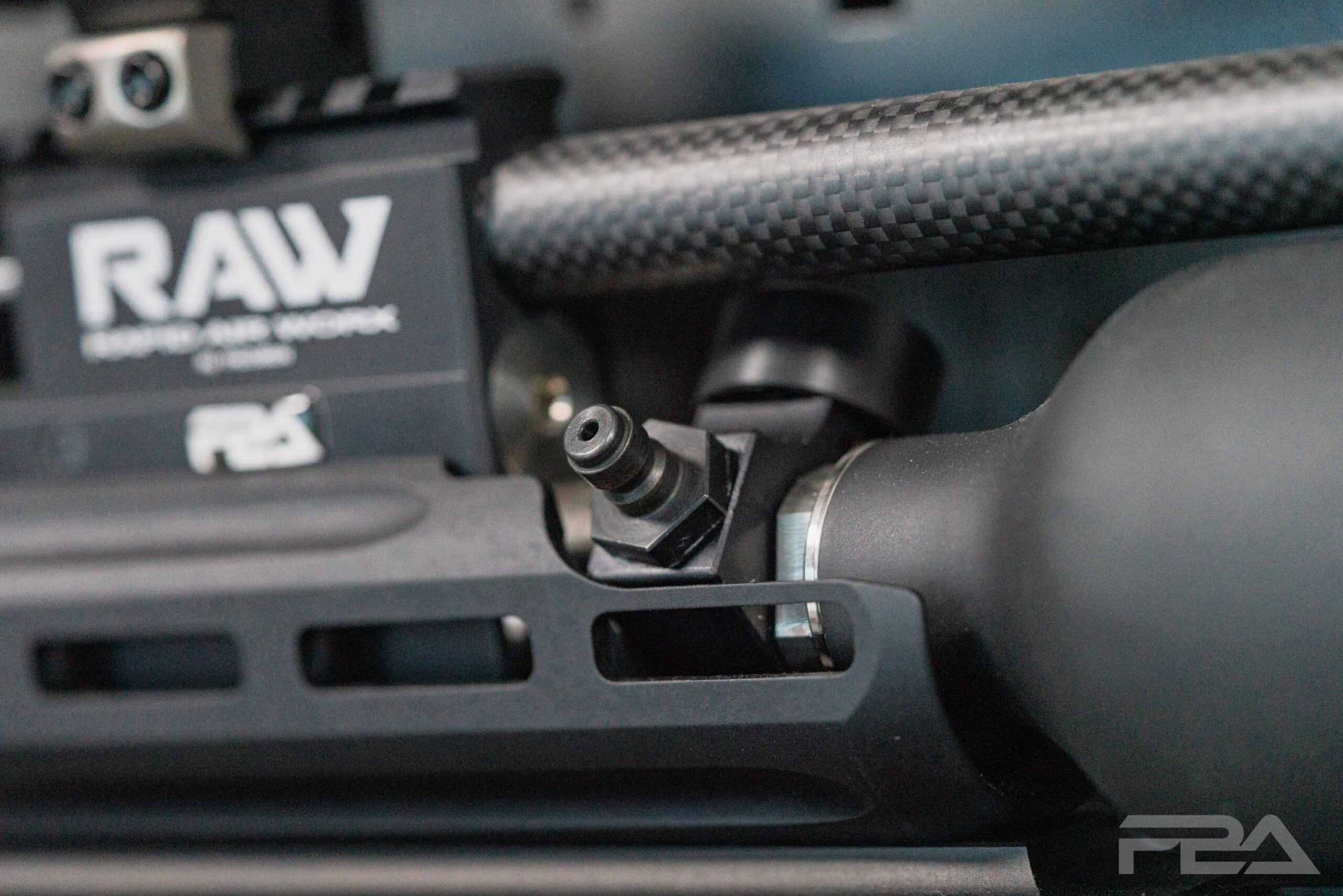
A PCP rifle normally has a fill port or fitting connected to the reservoir.
The shooter connects a high-pressure air source to this fitting.
Common filling options include:
High-Pressure Hand Pump
A PCP hand pump operates somewhat like a bicycle pump, but it is specifically designed to generate extremely high pressures.
Hand pumps can be an inexpensive way to get started, although filling larger reservoirs can require significant physical effort.
PCP Air Compressor
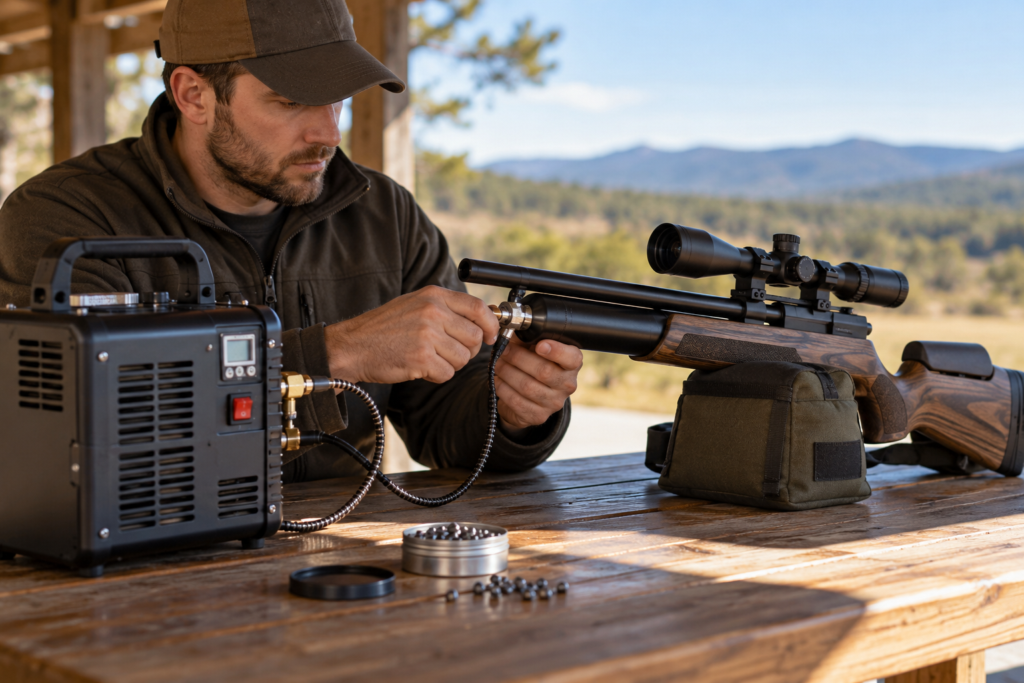
A specialized high-pressure compressor can fill the rifle much more easily.
Compressors are particularly useful for shooters who use their rifles frequently or own multiple PCP airguns.
HPA Tank
A separate high-pressure tank can also be used.
The tank is filled beforehand and then used to refill the rifle’s smaller onboard reservoir.
This setup is popular for shooters who want convenient refills at the range.
We cover these options in greater detail in our dedicated guide to how to fill a PCP air rifle, but the important point is that the rifle must already contain compressed air before the firing cycle begins.
What Happens When You Pull the Trigger?
This is the core answer to how does a PCP air rifle work?
When you pull the trigger, several mechanical events happen extremely quickly.
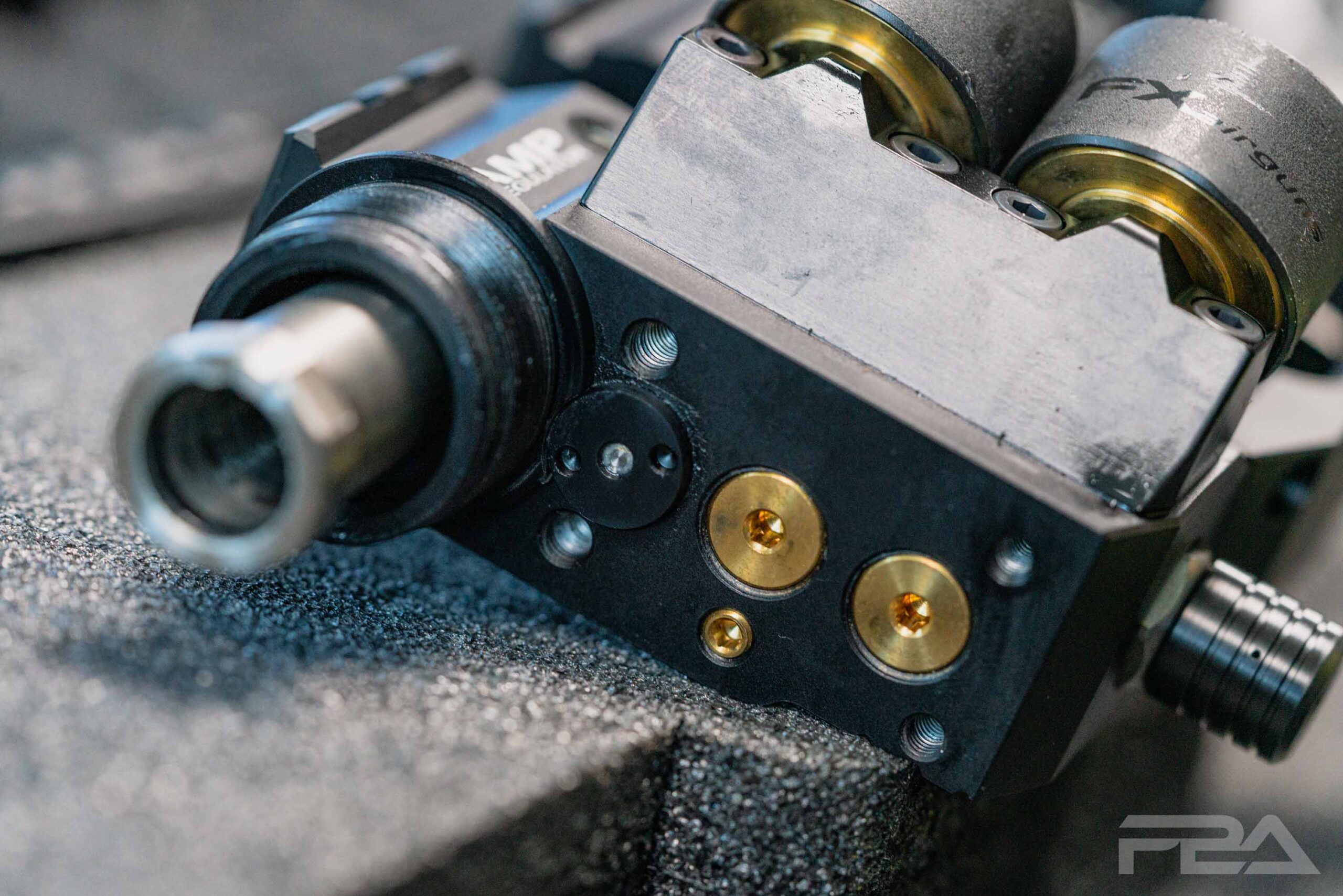
First, the trigger releases the hammer.
The hammer moves forward and strikes the firing valve.
The valve opens for a very short period.
Compressed air then flows from the reservoir or regulated firing chamber into the barrel behind the projectile.
That rapidly expanding air pushes the pellet or slug forward.
The projectile accelerates through the barrel and exits the muzzle.
The valve then closes, keeping the remaining compressed air inside the rifle.
This entire process happens in a fraction of a second.
What Does the Hammer Do?
The hammer is one of the most important parts of the PCP firing system.
Its job is to strike the valve hard enough to allow compressed air to escape.
How hard the hammer strikes can influence how long the valve remains open.
This is sometimes called valve dwell.
Longer valve opening can allow more air to flow behind the projectile, potentially producing more power.
However, using more air also reduces efficiency.
This is why some advanced PCP rifles allow the shooter to adjust hammer spring tension.
Changing hammer tension can alter the rifle’s power characteristics and air consumption.
For beginners, these adjustments are usually best left at factory settings until the shooter fully understands how the rifle behaves.
What Does the Valve Do?
The valve controls the release of compressed air.
Without a properly functioning valve, the rifle would simply release its entire reservoir of air at once.
Instead, the valve opens briefly for each shot.
This means the rifle uses only a fraction of the stored air each time the trigger is pulled.
That is what allows a PCP rifle to fire many shots from a single fill.
Valve design has a major influence on:
- Power
- Efficiency
- Shot count
- Consistency
- Air consumption
Modern PCP manufacturers spend considerable effort designing firing valves that deliver predictable amounts of air.
What Does a PCP Regulator Do?
Many modern rifles include a regulator.
A regulator is one of the most important components to understand when learning how a PCP air rifle works.
The main reservoir might contain several thousand PSI of pressure.
But the rifle doesn’t necessarily want to fire using whatever pressure happens to be inside the reservoir at that moment.
Instead, the regulator reduces the pressure going into a smaller firing chamber.
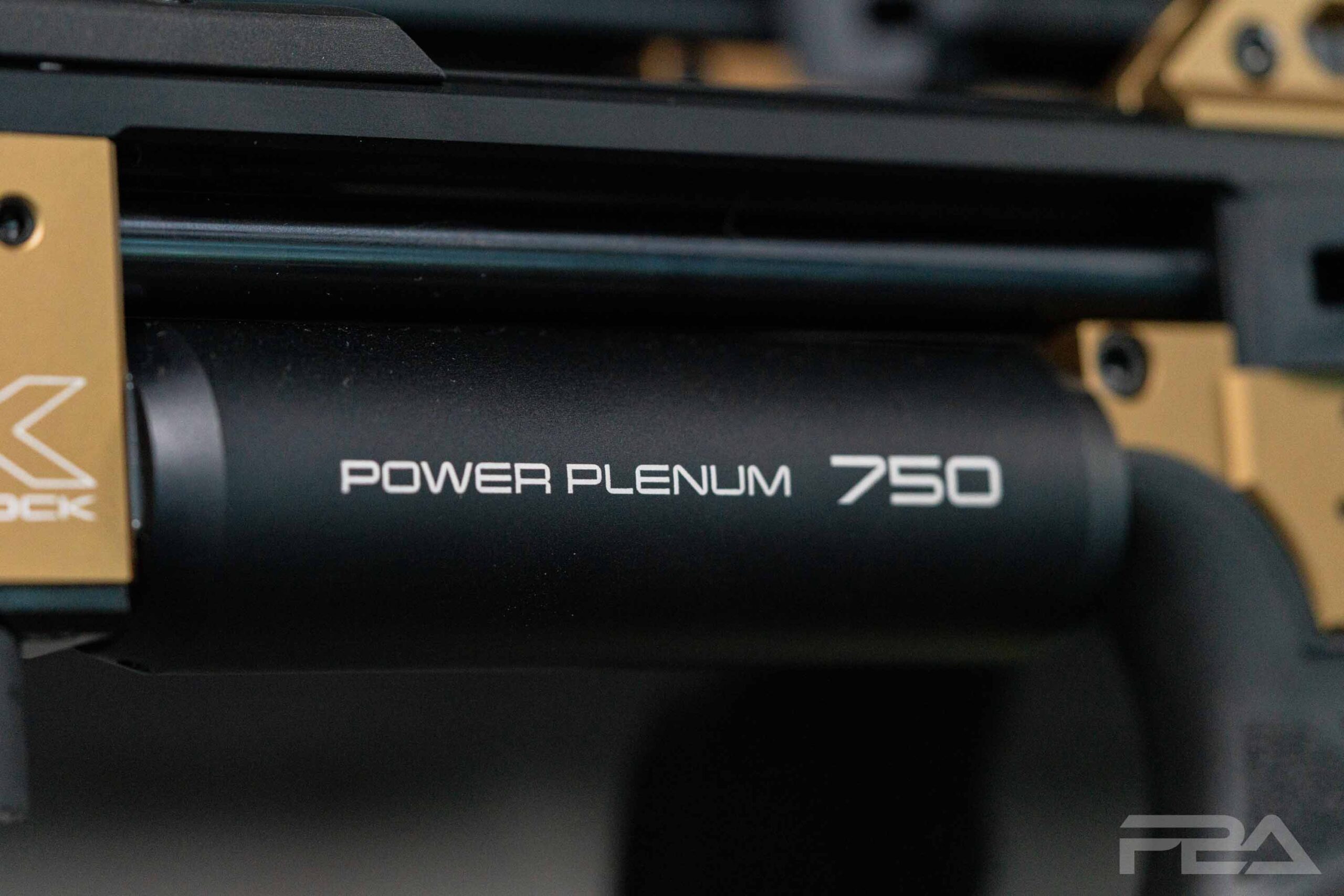
This chamber is sometimes called the plenum.
The regulator attempts to keep that firing pressure consistent for each shot.
For example, the main reservoir pressure may gradually decrease as you shoot.
But as long as reservoir pressure remains above the regulator setting, the regulator can continue supplying roughly the same pressure to the firing system.
That can help produce more consistent projectile velocities.
What Is the Plenum?
The plenum is a small chamber of regulated air that sits between the main reservoir and the firing valve.
You can think of it as the amount of air prepared for the next shot.
After firing, the regulator allows the plenum to refill.
Once the desired pressure is reached, the regulator closes again.
When the shooter pulls the trigger, the valve releases air from this chamber.
The size of the plenum and its operating pressure can affect rifle performance.
High-power PCP rifles often use larger plenums because they need a greater volume of air available for each shot.
Regulated vs Unregulated PCP Air Rifles
Not every PCP rifle uses a regulator.
An unregulated rifle relies directly on reservoir pressure.
When the reservoir is freshly filled, pressure is high.
As the rifle is fired, that pressure gradually falls.
This can create what is often called a power curve.
Velocity may rise, remain relatively stable for a period, and then begin to fall as pressure decreases.
A regulated rifle is designed to minimize those changes.
As long as enough reservoir pressure remains, the regulator attempts to deliver similar pressure for every shot.
This is one reason regulated rifles are popular among shooters who prioritize consistency.
However, an unregulated rifle can still be extremely accurate when operated within its ideal pressure range.
Why Does a PCP Air Rifle Have So Little Recoil?
Another major advantage becomes obvious once you understand how a PCP air rifle works.
There is no large spring suddenly moving forward inside the rifle.
Traditional spring-powered air rifles create internal movement when the piston accelerates.
That movement can produce a distinctive recoil cycle.
A PCP rifle simply releases compressed air through a valve.
Because there is much less internal mass moving during the shot, recoil is generally very light.
This helps make PCP rifles easier to shoot consistently.
It can also make them less sensitive to hold technique than powerful spring air rifles.
Why Are PCP Air Rifles So Accurate?
PCP rifles are not automatically accurate simply because they use compressed air.
However, the design provides several characteristics that support good accuracy.
These include:
- Low recoil
- Consistent air delivery
- Stable firing behavior
- Quality barrels
- Adjustable regulators on some models
- Adjustable power systems
- High-quality triggers
- Multiple ammunition options
Consistency is particularly important.
If each shot leaves the barrel at roughly the same velocity, the trajectory becomes more predictable.
That becomes increasingly important as shooting distance increases.
How Does the Magazine Work?
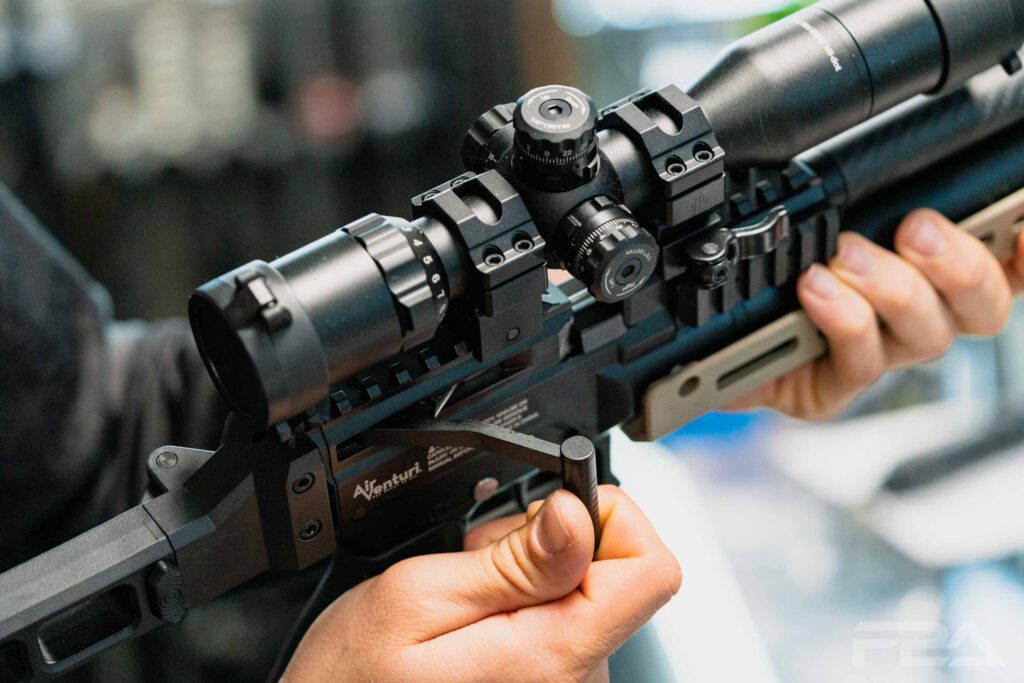
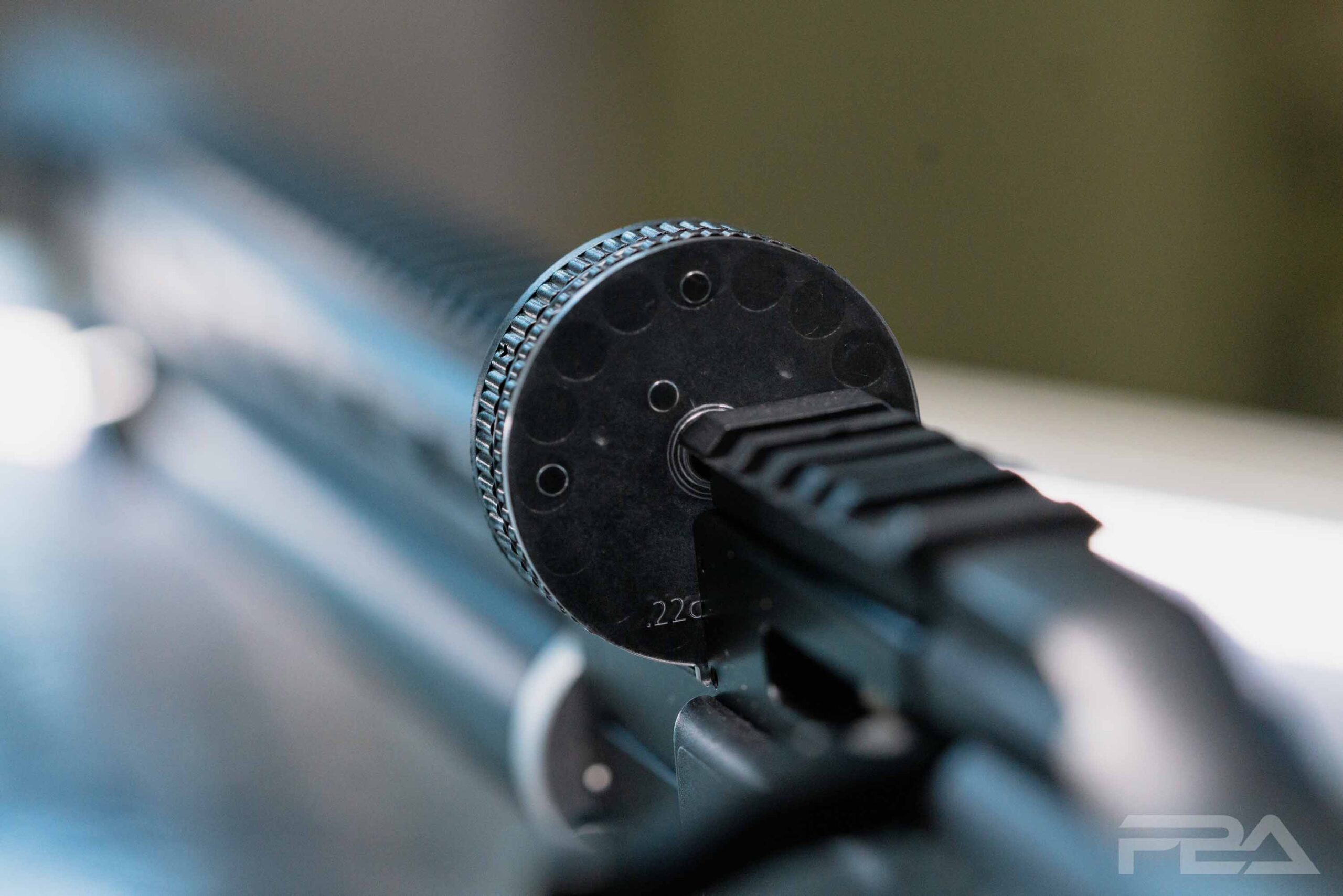
Many PCP rifles use removable rotary magazines.
Instead of manually inserting one pellet before every shot, the magazine stores several projectiles.
When the shooter operates the sidelever or bolt, the rifle advances the magazine and loads the next pellet into the barrel.
The rifle still uses compressed air for propulsion.
The magazine simply makes loading faster.
Depending on the model, magazine capacity may vary significantly between calibers.
Larger projectiles usually require more space, so larger-caliber magazines often hold fewer rounds.
What Happens to the Pressure as You Shoot?
Every shot uses compressed air.
That means reservoir pressure gradually decreases.
Most PCP rifles include a pressure gauge that allows the shooter to monitor remaining air pressure.
Eventually the rifle reaches a point where pressure becomes too low to maintain normal performance.
At that point, the reservoir needs to be refilled.
It is generally unnecessary to completely empty a PCP reservoir before filling it again.
Many shooters simply refill when the rifle reaches the lower end of its recommended operating pressure range.
Always follow the manufacturer instructions for your specific rifle.
How Many Shots Can a PCP Air Rifle Fire?
Shot count depends on many factors.
These include:
- Reservoir capacity
- Fill pressure
- Regulator pressure
- Caliber
- Projectile weight
- Power setting
- Valve efficiency
- Barrel length
- Rifle tune
A smaller-caliber rifle operating at moderate power may deliver many shots from one fill.
A powerful .30 caliber or big-bore PCP may consume significantly more air with every shot.
Because of this, advertised shot count should always be considered together with the rifle’s power level.
More shots do not necessarily mean a better rifle.
The goal is efficiency appropriate for the rifle’s intended purpose.
Does More Air Pressure Mean More Power?
Not necessarily.
This is a common misunderstanding among new PCP owners.
Simply increasing pressure does not automatically produce more useful power.
A PCP system involves several interacting components:
- Reservoir pressure
- Regulator pressure
- Hammer force
- Valve opening
- Plenum volume
- Barrel length
- Projectile weight
Changing one part of the system can affect everything else.
For example, regulator pressure that is set too high may actually reduce efficiency if the hammer cannot open the valve properly.
This is why advanced PCP tuning requires understanding the complete system rather than simply increasing pressure.
Can You Adjust PCP Air Rifle Power?
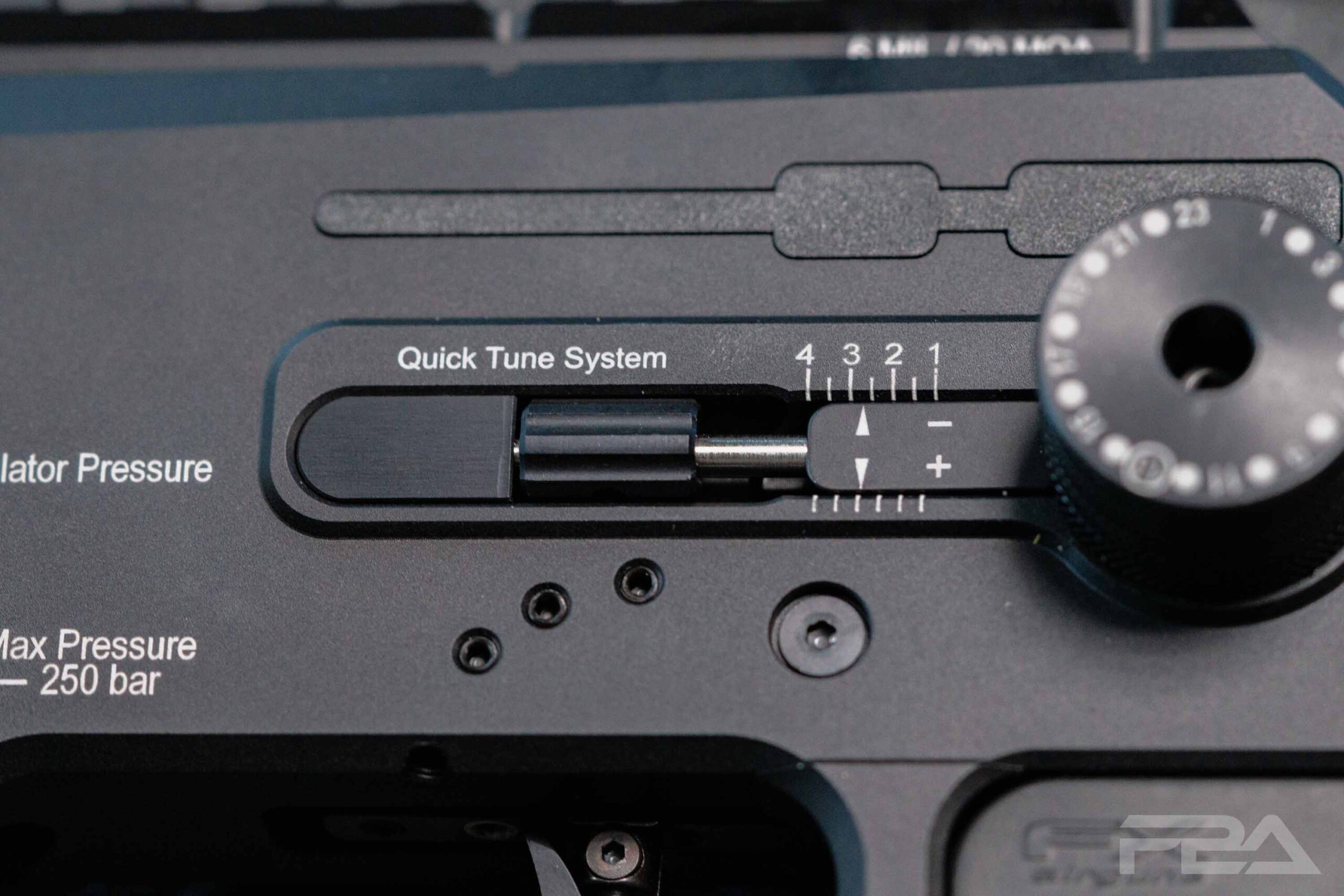
Some rifles offer external power adjustments.
Others require internal adjustments.
Premium platforms may allow shooters to modify several variables, including regulator pressure and hammer spring tension.
This allows experienced shooters to tune the rifle for different ammunition or shooting applications.
However, beginners should generally start with manufacturer settings.
Learning how the rifle performs in its original configuration provides a useful baseline before making adjustments.
If you’re interested in rifles designed specifically around power and tuning, our upcoming guide to high power PCP air rifles will go much deeper into those systems.
PCP Air Rifle vs CO2
PCP and CO2 rifles both use compressed gas, but the systems operate very differently.
CO2 rifles typically use disposable cartridges or larger CO2 tanks.
PCP rifles use compressed atmospheric air stored at much higher pressure.
One important difference is temperature sensitivity.
CO2 pressure changes significantly with temperature, which can affect performance.
Compressed air systems are generally less sensitive to normal temperature changes.
PCP rifles can also operate at substantially higher pressures, allowing manufacturers to design significantly more powerful airguns.
PCP Air Rifle vs Break Barrel
A break-barrel rifle creates energy each time the shooter cocks the action.
A PCP rifle stores energy beforehand in the compressed-air reservoir.
That creates a very different shooting experience.
A PCP generally offers:
- Less recoil
- Faster follow-up shots
- Multi-shot magazines
- More adjustment options
- Higher power potential
- More consistent shooting behavior
A break barrel offers simplicity because no separate filling equipment is necessary.
For a complete comparison, see our upcoming PCP Air Rifle vs Spring Air Rifle guide.
Is a PCP Air Rifle Complicated to Use?
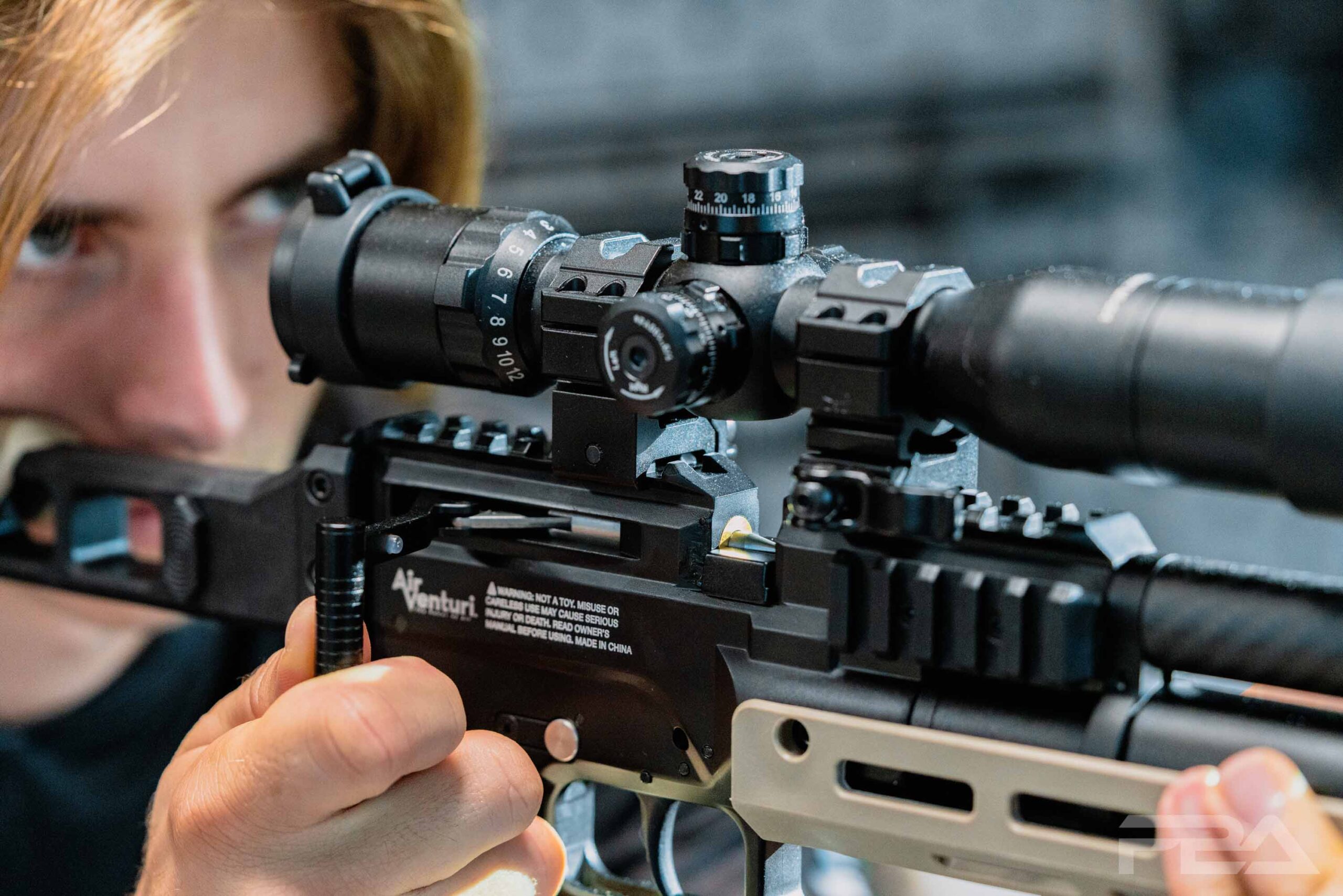
The technology sounds complicated, but everyday operation is usually simple.
For most shooters, using a PCP rifle consists of:
- Fill the reservoir.
- Load the magazine.
- Insert the magazine.
- Cock the rifle.
- Aim.
- Fire.
- Repeat until pressure becomes low.
- Refill the rifle.
You don’t need to understand every detail of regulators and valve dynamics to enjoy a PCP.
However, understanding how a PCP air rifle works can help you choose the right rifle, troubleshoot basic problems, and make better decisions about filling equipment and accessories.
Understanding the Complete PCP System
A PCP air rifle is ultimately a controlled compressed-air system.
The reservoir stores energy.
The regulator, if equipped, manages pressure.
The hammer activates the valve.
The valve releases a carefully measured amount of air.
That air accelerates the projectile through the barrel.
Once you understand that sequence, PCP technology becomes much easier to understand.
If you’re just beginning your research, start with our complete PCP Air Rifle Guide to learn about calibers, filling options, power levels, buying considerations, and the different types of PCP rifles available.
You can also browse the selection of air rifles available from Palm Beach Airguns to compare different PCP platforms, calibers, reservoir systems, and configurations.
If you’re new to the platform and want help choosing your first setup, read our Best PCP Air Rifle for Beginners guide.